
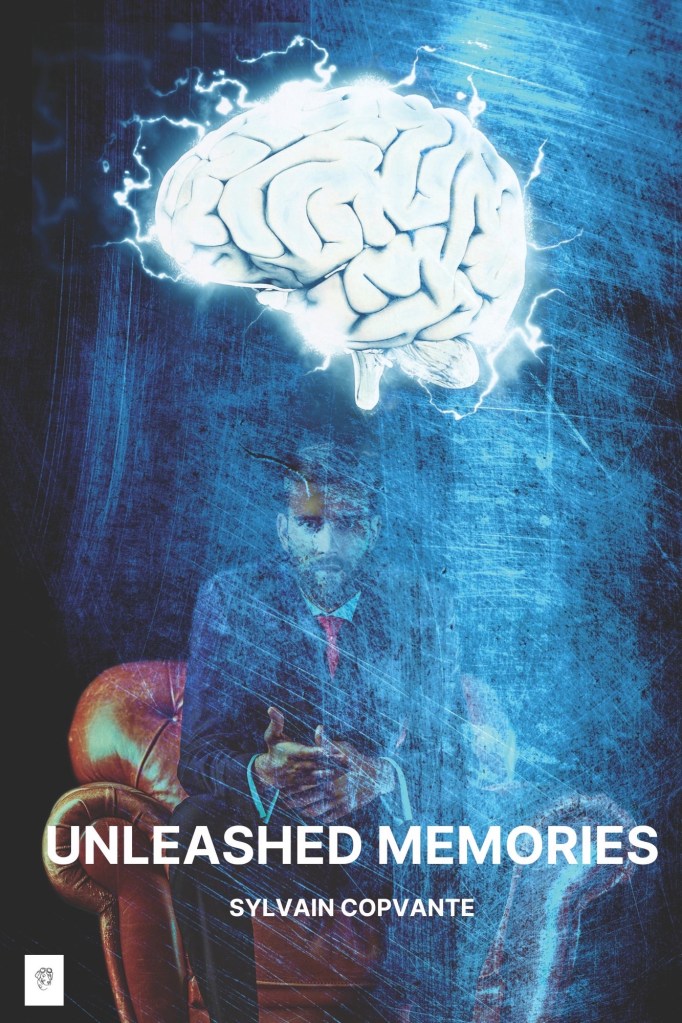
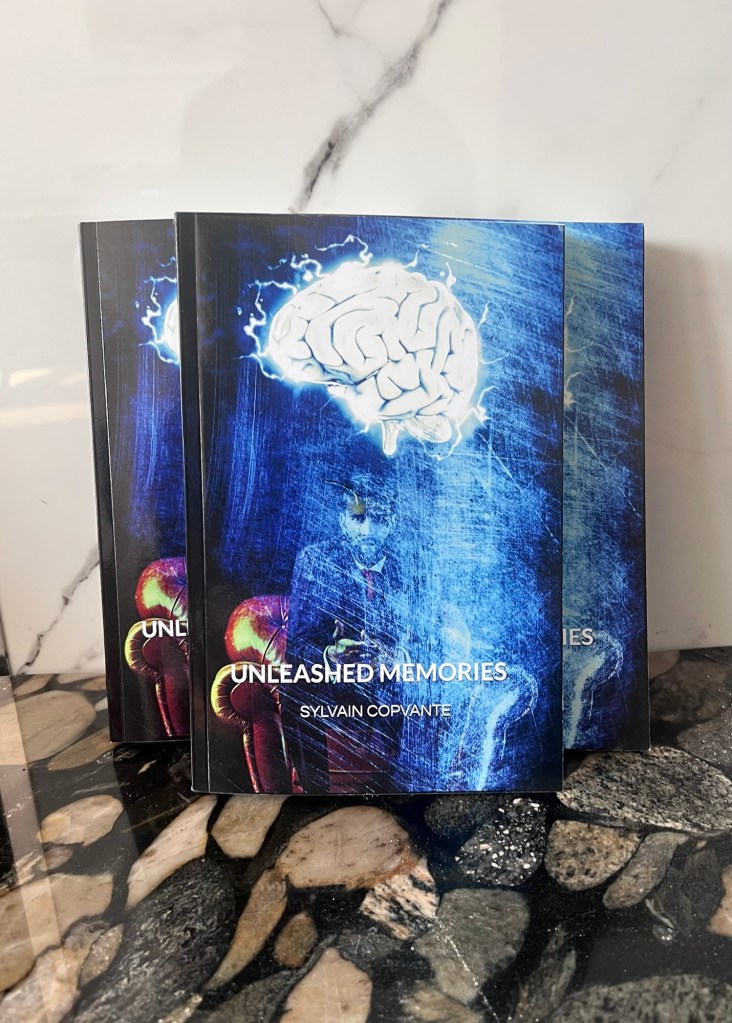
In the near future, a groundbreaking innovation allows citizens the ability to access the memories of the deceased if they consented to it during their lifetime. This technological leap sparks a multitude of ethical questions. Is there an ulterior motive behind this development? Calips, the head of an assisted suicide service, finds himself at the heart of an unprecedented conflict,
This dystopian story, written at the turn of the century, envisions a world that reflects many of today’s most pressing concerns. A dark and thought-provoking novel, but infused with glimmers of love, joy, and hope.
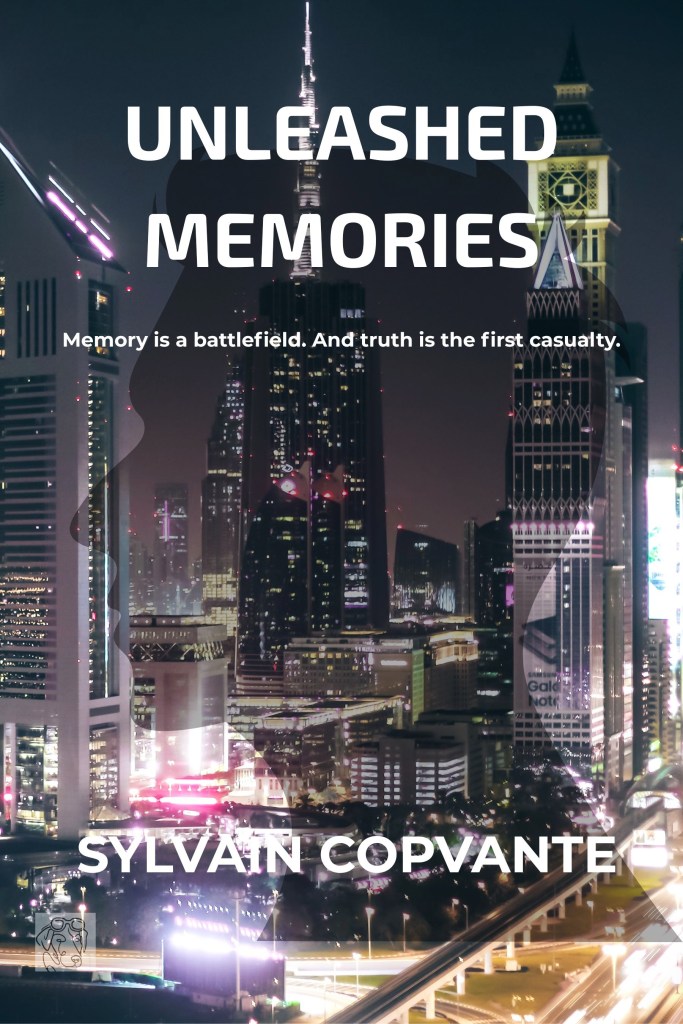
Unleashed Memories is a dystopian novel by Sylvain Copvante, published in April 2025. Set in Montréal in the year 2050, the story explores a futuristic world where a groundbreaking innovation allows people to access the memories of the deceased—provided they consented to it during their lifetime. This technological leap raises profound ethical questions and sparks intense societal debate.
The novel follows Calips, the head of an assisted suicide service, who finds himself entangled in an unprecedented conflict surrounding this controversial development. While the book delves into dark and thought-provoking themes, it is also infused with moments of love, joy, and hope.
The French edition of this novel, titled In Memoria, was shortlisted for the Prix des Étoiles Librinova 2022 in France and was chosen as the publisher’s favorite.
Unleashed Memories stands out in the dystopian genre by blending technological ethics with deeply personal stakes. Unlike classics such as 1984 or Fahrenheit, which focus on oppressive governments and censorship, this novel explores the moral dilemmas of memory preservation and consent in a futuristic Montréal.
While books like’s Tale* depict societies shaped by rigid control and systemic oppression, Unleashed Memories takes a more philosophical approach, questioning the emotional and ethical consequences of accessing the memories of the deceased. It shares thematic similarities with Black Mirror episodes that examine the unintended consequences of technological advancements.
If you enjoy dystopian fiction that challenges societal norms while maintaining a strong emotional core, this book might be a compelling read.
Unleashed Memories delves into several thought-provoking themes, making it a standout in dystopian literature. Here are some of the key ideas explored:
- Memory and Identity – The novel questions how memories shape personal and collective identity. It explores whether accessing the memories of the deceased alters one’s sense of self or distorts historical truth.
- Ethics of Technology – The ability to retrieve and experience past memories raises ethical dilemmas about consent, privacy, and the unintended consequences of technological advancements.
- Grief and Healing – The book examines how people cope with loss and whether reliving memories can provide closure or deepen emotional wounds.
- Power and Control – As with many dystopian works, the novel investigates how institutions and governments regulate access to technology, leading to conflicts over who controls the past.
- Human Connection – Despite its futuristic setting, the story remains deeply human, emphasizing relationships, love, and the emotional bonds that transcend time.
🧠 How the Year 2000 Influenced Unleashed Memories
The novel was written around the turn of the millennium—an era filled with anxieties, breakthroughs, and big societal shifts that shaped its dystopian vision:
🌐 Technological Anxiety & Digital Awakening
- The Y2K bug scare exposed our growing dependence on fragile digital infrastructure.
- Internet use was surging, and data privacy became a new concern with the rise of search engines, email services, and user profiling.
- Early ideas around brain-computer interfaces and virtual reality were stirring imaginations—if still far from practical use.
🩺 Ethical Debates on Assisted Death
- In Canada and globally, the right to die was being discussed with increasing urgency.
- Media attention around cases of assisted suicide sparked major philosophical and legal debates—which clearly echo in the protagonist’s profession as a suicide service provider.
🧬 Sci-fi & Cultural Influences
The narrative’s tone and ideas seem shaped by artists like:
- Philip K. Dick: memory manipulation and reality distortion
- Margaret Atwood: Canadian dystopias with rich moral depth
- Early Black Mirror–style storytelling: ethically ambiguous tech with intimate consequences
In sum: Unleashed Memories feels like a speculative time capsule, written in the early 2000s yet startlingly relevant today. It bridges millennial fears with future-forward ethics—making the 25-year delay in publication eerily poetic.
 Sylvain Copvante